SUCCULENT VEGETATION IN HIMALAYAN FOOTHILLS
A.Khokhryakov, M Mazurenko
S U M M A R Y
Succulents are not numerous in Nepal, because this country has a humid climate. Still, some succulent plants inhabit this country. They can be divided into several groups:
Naturalized succulents grown as fences. These are Euphorbia sikkinensis, Cereus sp. and Agave americana. First two species can be found only along fields, while Agave americana spread out and grows on dry hillsides
Naturalized succulents grown on upper parts of fences. These are mainly Euphorbia millii, Agave americana and Opuntia vulgaris - plants with dense spination. Opuntia escaped from gardens and as well as Agave americana can be regarded an established species.
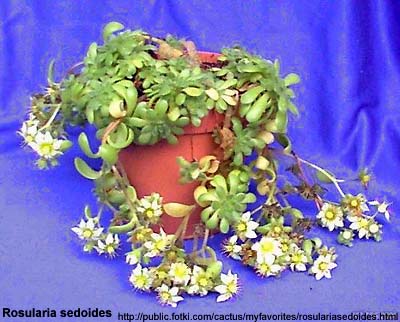
Succulent plants, cultivated by gardeners: mainly from Crassulacean family: Bryophyllum, Crassula and Sedum spp..
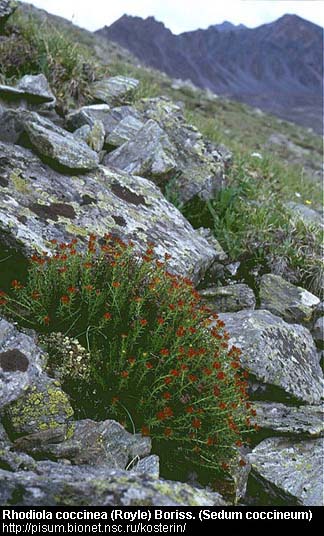
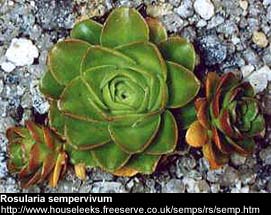
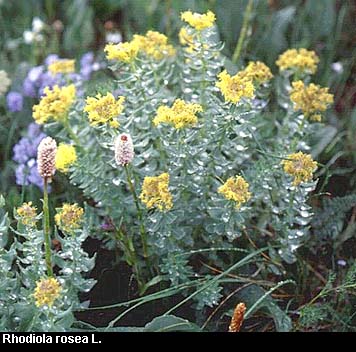
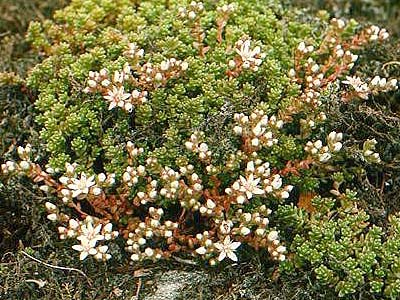
Indigenous succulent plants in dry areas near the southern edge of the Tibetan Plateau, mostly from the Sedum and Sempervivum genera.
Indigenous epiphytic succulent plants, including Orchidaceae, that can be met in any type of forest up to 3000 m high: Coelogyne corymboa, Polydota imbricatra, Oberonia falconeri, Dendrobium sp., etc. Peperomia sp. has very succulent leaves. We can suppose, that some epiphytic ferns are succulent too: Potypodiaceae spp, Lycopodium cernuum L, etc.
Cultivar e-magazin: Copyright (c) by Valery Kalishev, Chelyabinsk, Russia, since 2000. Design and hosting by Peter Lapshin, since 2002. Contacts: Peter Lapshin